Introduction
Dysphagia, a term that includes various ingesting troubles, is a problem that dramatically impacts people' lifestyle. This post aims to elucidate the range of dysphagia and its implications for treatment personnel education. With an increasing variety of individuals identified with dysphagia due to age-related conditions or neurological disorders, it's crucial for caretakers, nurses, and other medical care specialists to be skilled in this subject. Understanding the Spectrum of Dysphagia: Essentials for Care Staff Education will shed light on the importance of dysphagia training for carers and emphasize important training programs available.
Understanding the Range of Dysphagia: Essentials for Care Personnel Education
Dysphagia can show up in different types, ranging from light difficulties to complete inability to ingest. Comprehending the subtleties of dysphagia is vital for care staff as it enables them to supply tailored assistance and avoid significant issues such as aspiration pneumonia or lack of nutrition.
What is Dysphagia?
Dysphagia refers to an ingesting condition that can affect any type of stage of the ingesting process:
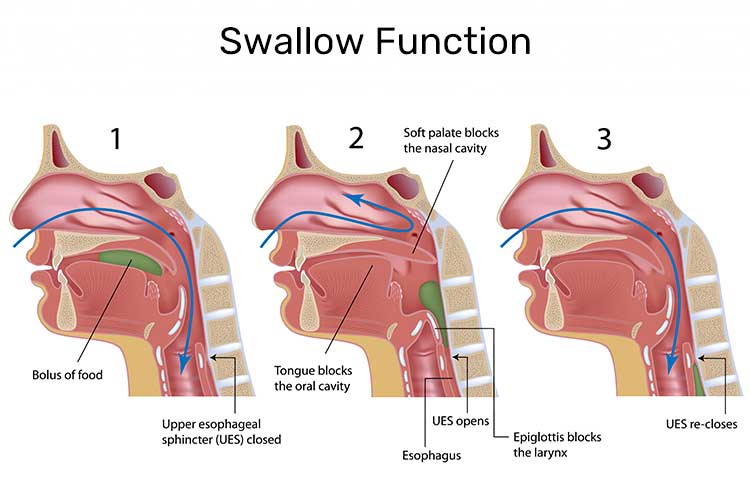
- Oral Phase: Trouble eating or manipulating food in the mouth. Pharyngeal Stage: Difficulty moving food down the throat. Esophageal Phase: Issues with food taking a trip down the esophagus.
Being familiar with these stages aids care team determine where individuals might have a hard time and what treatments are necessary.
Types of Dysphagia
Understanding various sorts of dysphagia makes it possible for better administration strategies.
1. Oropharyngeal Dysphagia
This kind occurs when there is trouble in launching swallowing as a result of neurological problems (e.g., stroke or Parkinson's condition) or physiological problems (e.g., lumps).
2. Esophageal Dysphagia
Characterized by the experience of food getting embeded the throat or breast, this kind frequently results from esophageal strictures, lumps, or motility disorders.
Signs and Signs and symptoms of Dysphagia
Care staff should know essential indicators that may suggest dysphagia:
- Coughing during meals Choking on food or liquids Gurgling voice Weight loss Avoidance of particular foods
Recognizing these symptoms early can bring about timely intervention.
The Importance of Dysphagia Training for Carers
Training programs concentrating on dysphagia equip caretakers with understanding and abilities essential for efficient patient care.
Why Is Training Essential?
Patient Security: Proper training lowers threats connected with swallowing difficulties. Improved Quality of Life: Knowledgeable caregivers can enhance meal experiences for patients. Confidence Building: Educating instills self-confidence in care staff when handling complicated nutritional needs.Components of Dysphagia Training Programs
1. Anatomy and Physiology
Understanding the composition associated with ingesting aids in recognizing prospective problems.
2. Evaluation Techniques
Learning how to analyze an individual's ingesting capacity is critical for figuring out proper interventions.
3. Nutritional Modifications
Training includes details on texture-modified diet plans and risk-free feeding techniques.
Dysphagia Care Training Programs Available
There are numerous training courses committed dysphagia training for care staff to offering extensive education on dysphagia monitoring:
1. On-line Dysphagia Training Courses
These programs use adaptability in discovering while covering crucial subjects like evaluation strategies, therapeutic strategies, and dietary considerations.
2. In-Person Workshops
Interactive workshops give hands-on experience via simulations and role-playing scenarios, boosting learning retention.
3. Specialized Dysphagia Training for Nurses
Nurses play a pivotal role in managing clients with dysphagia; specialized training equips them with important skills needed in medical settings.
Curriculum Introduction: What Does a Typical Dysphagia Course Cover?
|Component|Summary|| ---------------------------------|--------------------------------------------------|| Anatomy & & Physiology|Fundamental understanding appropriate to ingesting|| Indicators & & Signs|Determining dysphagic conditions|| Assessment Techniques|Devices made use of to evaluate ingesting capabilities|| Intervention Strategies|Nutritional alterations & & feeding strategies|| Emergency Monitoring|Dealing with intense cases related to dysphagia|
Dysphagia Assistance Resources for Care Staff
Having accessibility to resources can substantially enhance care team's capability in taking care of dysphagic clients properly:
1. Specialist Organizations
Organizations such as the American Speech-Language-Hearing Organization (ASHA) offer valuable products on best methods for handling dysphagic patients.
2. Online Forums & Assistance Groups
Engaging with fellow professionals with online forums allows sharing experiences and options regarding complicated cases.
3. Educational Literature
Books and posts concentrated on dysphagia deal detailed insights into advancing techniques within this healthcare niche.
FAQs concerning Dysphagia
1. What creates dysphagia?
Dysphagia can arise from different elements including neurological conditions, aging, cancer treatments, or architectural issues within the throat or esophagus.
2. How is dysphasia diagnosed?

3. What prevail therapies for dyslexia?
Therapy choices range from dietary alterations (structure adjustments) to rehabilitation treatments targeted at enhancing muscular tissues involved in swallowing.
4. Is there a certain diet advised for individuals with dyslexia?
Yes! Texture-modified diet regimens are frequently suggested based upon individual assessments; these can consist of pureed foods or thick fluids depending on severity levels.
5. Can dyslexia result in other health and wellness complications?

6. Exactly how can I obtain learnt managing people with dyspraxia?
Numerous training courses are readily available varying from on-line courses to intensive workshops concentrated particularly on giving important skills needed for effective management methods connecting straight back in the direction of dyslexia training goals!
Conclusion
In summary, recognizing the range of dysphagia is vital not only for making certain client safety and security yet likewise enhancing their quality of life through appropriate nutritional adaptations and supportive actions taken by attentive care staff educated effectively with specialized dyslexia training Supplying efficient dyslexia treatment training empowers caregivers with essential understanding while preparing them for real-world difficulties dealt with daily when appreciating individuals dealing with this problem-- thus leading towards overall improved outcomes!
The relevance behind adequate education around dyslexia support can not be overstated; it holds immense capacity when exercised vigilantly across various settings where individuals may require help browsing their method through everyday meals safely without compromising health and wellness standards! Stressing ongoing discovering opportunities like attending appropriate dyslexia courses will eventually produce an atmosphere helpful towards attaining optimal outcomes while fostering depend on within those obtaining such invaluable services offered by experienced specialists geared up well enough take care of complexities bordering these issues head-on!